I blogged not long ago about what may be the most famous words in American journalism, offering a couple of media myths as examples.
One was the enduring anecdote about William Randolph Hearst’s supposed vow to “furnish the war” with Spain. That one’s been retold many, many since it first appeared in print in 1901.
It is arguably American journalism’s most tenacious myth. Those words attributed to Hearst surely are some of the most famous in journalism. Even though it’s quite unlikely he ever made such a vow.
Another example I cited was the so-called “Cronkite Moment,” the occasion in 1968 when the views of CBS News anchorman Walter Cronkite were supposedly so powerful and persuasive they swiftly altered U.S. policy in Vietnam.
That anecdote centers around Cronkite’s special program on the Vietnam War, a show that aired February 27, 1968. Near the end of the program, Cronkite declared the U.S. war effort was “mired in stalemate” and suggested negotiations with the communist North Vietnamese to end the conflict.
At the White House, President Lyndon Johnson supposedly watched the Cronkite program and snapped off the television set when he heard the anchorman’s dire assessment, telling an aide, “If I’ve lost Cronkite, I’ve lost Middle America.” Or something to that effect.
The point is that Cronkite was such a trusted figure that his views could sway the opinions of countless thousands of Americans. With Cronkite gone wobbly on Vietnam, the Johnson White House supposedly reeled. At the end of March 1968, Johnson announced he would not seek reelection.
The “Cronkite Moment” made yet another appearance the other day in a blog of the San Diego Union-Tribune.
The blog comment, posted by an editorial writer for the newspaper, stated:
“One of the standard views of why America turned on the Vietnam War focuses on CBS anchorman Walter Cronkite’s increasingly obvious pessimism about President Lyndon Johnson’s statements about and management of the war. LBJ reportedly told an aide, ‘That’s it. If I’ve lost Cronkite, I’ve lost middle America.'”
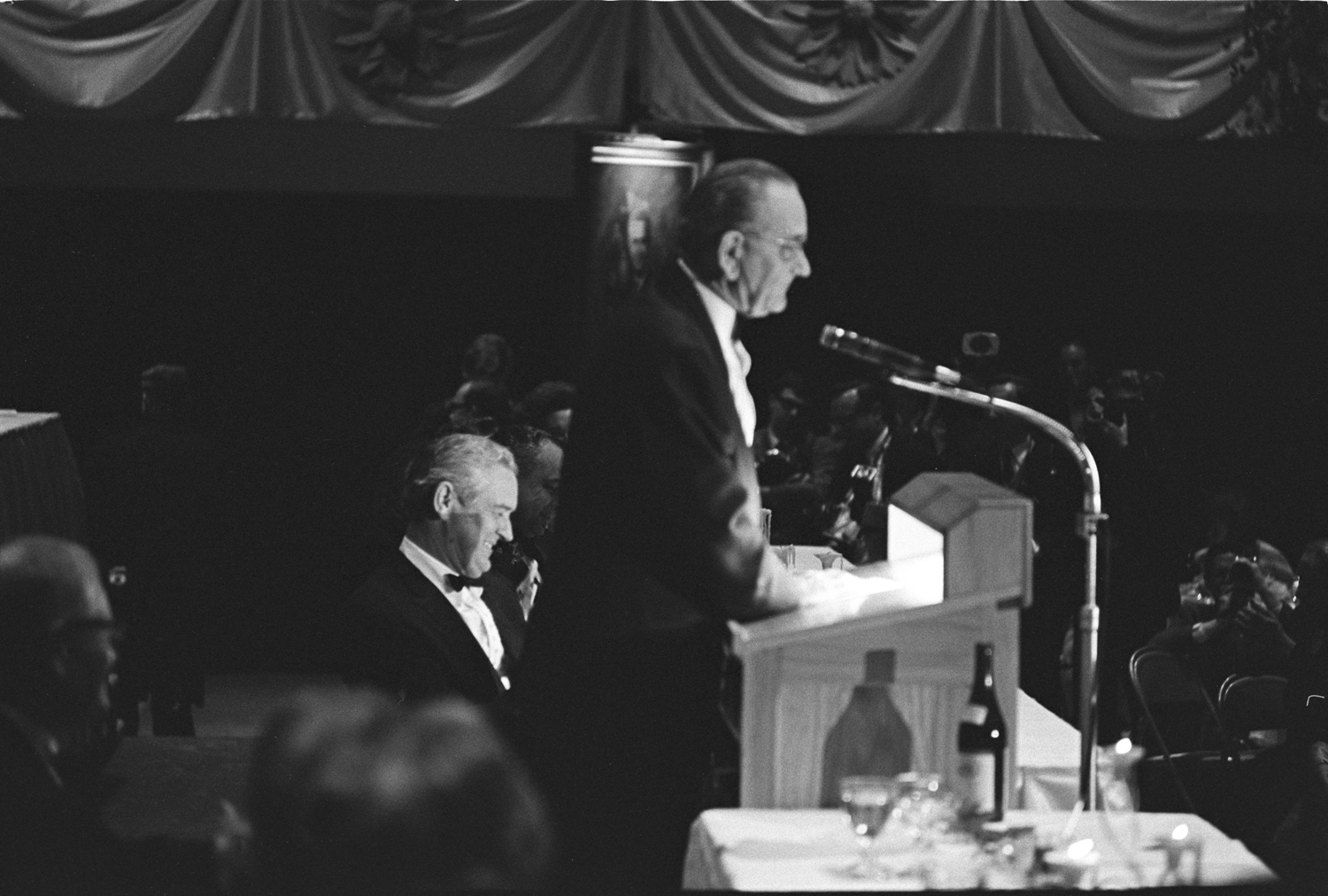
As I’ve noted several time at Media Myth Alert, and as I write in my forthcoming book, Getting It Wrong, Johnson did not see the Cronkite program on Vietnam when it aired. The president that night was in Austin, Texas, at the 51st birthday of a political ally, Governor John Connally.
When Cronkite was intoning his downbeat assessment of the war, Johnson was offering light-hearted banter about Connally’s age, saying:
“Today you are 51, John. That is the magic number that every man of politics prays for—a simple majority. Throughout the years we have worked long and hard—and I might say late—trying to maintain it, too.”
Earlier that day, Johnson delivered a rousing speech in Dallas, invoking Churchillian language at one point.
“There will be blood, sweat and tears shed,” he said, adding: “I do not believe that America will ever buckle” in pursuit of its objectives in Vietnam.
Even if the president had seen the Cronkite program, it is exceedingly difficult to imagine how his mood could swing so abruptly, from vigorously defending the war effort to throwing up his hands in despair.
But if the “Cronkite Moment” is to be believed, that’s what happened: A swift, dramatic and decisive change of heart that occurred within hours of the hawkish speech in Dallas.
Not likely.
Even so, the frequency with which the quote attributed to Johnson is invoked certainly has made it among the most famous, if most dubious, turns of phrase in American journalism.
As I also write in Getting It Wrong, “Seldom, if ever, do the news media exert truly decisive influences in decisions to go to war or to seek negotiated peace. Such decisions typically are driven by forces and factors well beyond the news media’s ability to shape, alter, or significantly influence.
“So it was in Vietnam, where the war ground on for years after the ‘Cronkite moment.’”






 Media Myth Alert