I’m amazed how international news media love to indulge in, and inevitably mangle, some of American journalism’s best-known media myths.

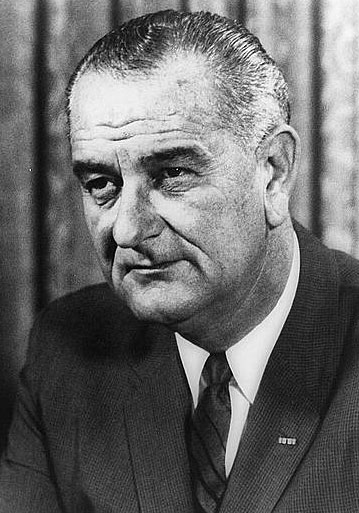
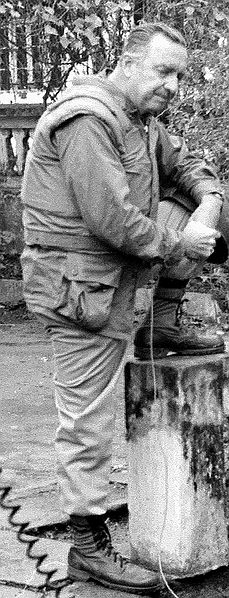
Cronkite in Vietnam, 1968
Take, for example, a post today at a blog sponsored by the the London Guardian newspaper.
The blog post invoked the so-called “Cronkite Moment” of February 27, 1968, when CBS anchorman Walter Cronkite’s report on the Vietnam War supposedly swung public opinion against the conflict.
The post read, in part:
“Cronkite, who died just recently, was America’s most authoritative TV newsman. In February 1968, when he told America after spending some time in Vietnam that the war wasn’t winnable, public support for the war went through the floor.”
Let’s unpack that.
First, Cronkite died not “recently,” but in July 2009.
Second, Cronkite did not say in his special report on Vietnam that the war “wasn’t winnable.” He said the U.S. war effort in Vietnam was “mired in stalemate” and suggested that negotiations with the communist North Vietnamese eventually might prove to be a way out for the United States.
Third, American public opinion did not go “through the floor” because of Cronkite’s on-air assessment.
Far from it.
Public opinion polls as well as anecdotal evidence indicate that Americans’ views about the war had begun to shift in 1967, months before the “Cronkite Moment.”
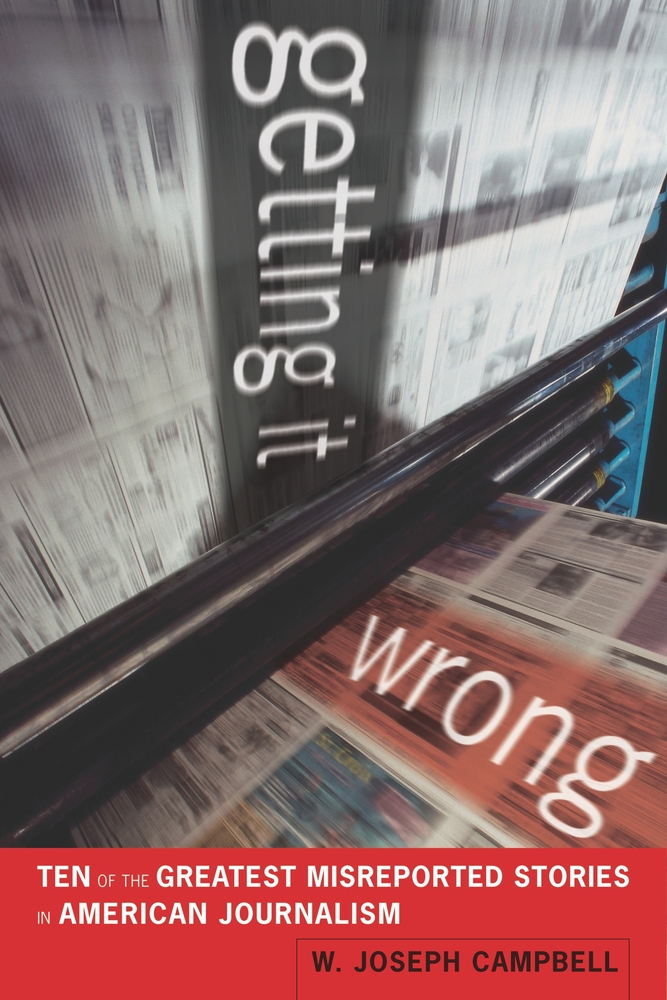
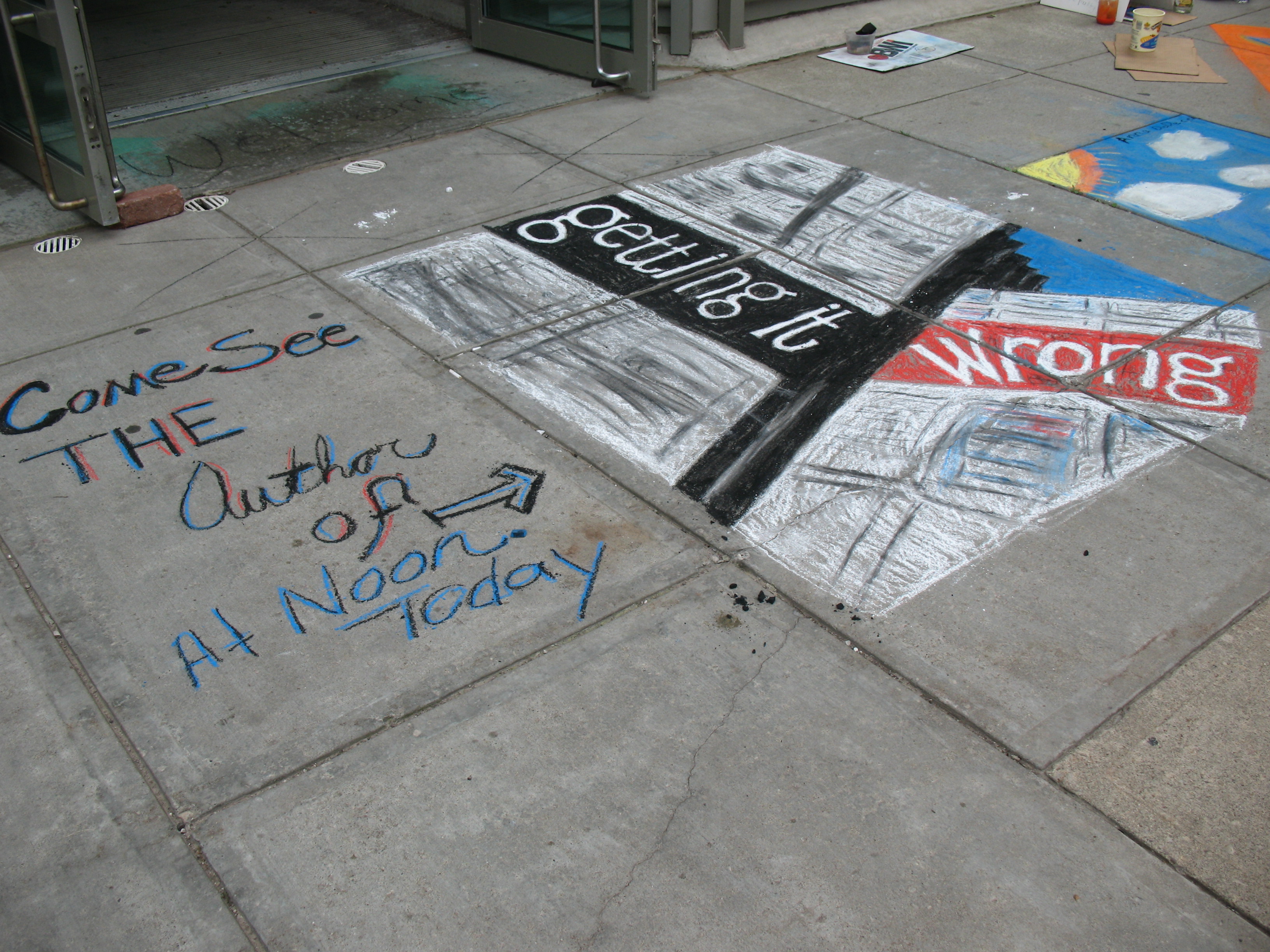
As I note in Getting It Wrong, my new book debunking prominent media-driven myths, by October 1967, a plurality of Americans (47 percent) maintained that sending U.S. forces to Vietnam had been a mistake, according to Gallup surveys.
In a Gallup poll completed in early February 1968, three weeks before the Cronkite program, the proportion saying entering the war was a mistake stood at 46 percent; 42 percent said it had not been a mistake.
Gallup asked the question again in a poll completed the day the Cronkite program aired, finding that 49 percent of the respondents said U.S. military intervention in Vietnam had been a mistake; 42 percent said it had not.
In April 1968, after Cronkite’s program, Gallup reported that 48 percent of Americans thought sending U.S. troops to Vietnam had been a mistake; 40 percent disagreed.
Moreover, as I write in Getting It Wrong:
“Journalists also had detected a softening in support of the war. In December 1967, for example, Don Oberdorfer, then a national correspondent for the Knight newspapers, noted that the ‘summer and fall of 1967 [had] been a time of switching, when millions of American voters—along with many religious leaders, editorial writers and elected officials—appeared to be changing their views about the war.'”
And I point out in Getting It Wrong that in early 1968, Cronkite’s “mired in stalemate” assessment was neither notable nor extraordinary.
“Leading American journalists and news organizations had … weighed in with pessimistic assessments about the war long before Cronkite’s special report on Vietnam,” I write, adding that Mark Kurlansky, in his year-study about the events of 1968, wrote that Cronkite’s view was “hardly a radical position” for the time.
Indeed, the Wall Street Journal said in an editorial four days before Cronkite’s special report that the U.S. war effort in Vietnam “may be doomed” and that “everyone had better be prepared for the bitter taste of defeat beyond America’s power to prevent.”
And nearly seven months before Cronkite’s “mired in stalemate” assessment, New York Times correspondent R.W. Apple Jr. had cited “disinterested observers” in reporting that the war in Vietnam “is not going well.”
Apple’s report appeared on the front page of the Times, beneath the headline:
“Vietnam: The Signs of Stalemate.”
Related:








 Media Myth Alert