 A fine crowd was on hand last night for my book talk at the Smithsonian’s Ripley Center about media-driven myths.
The talk was part of the Smithsonian Resident Associates Program, which organized the event superbly well.
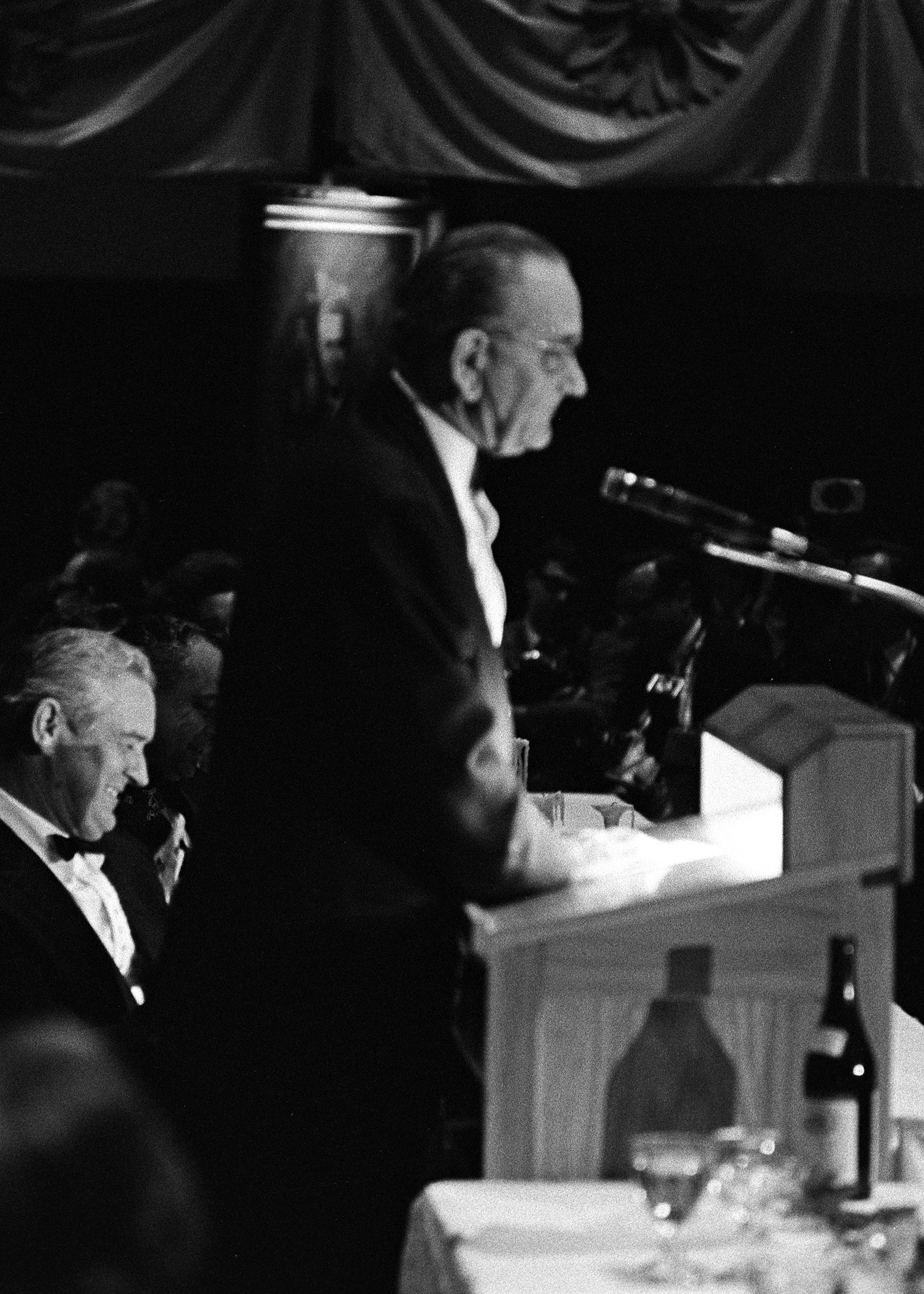
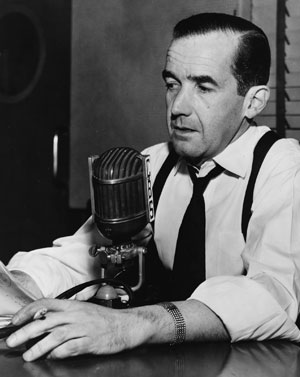
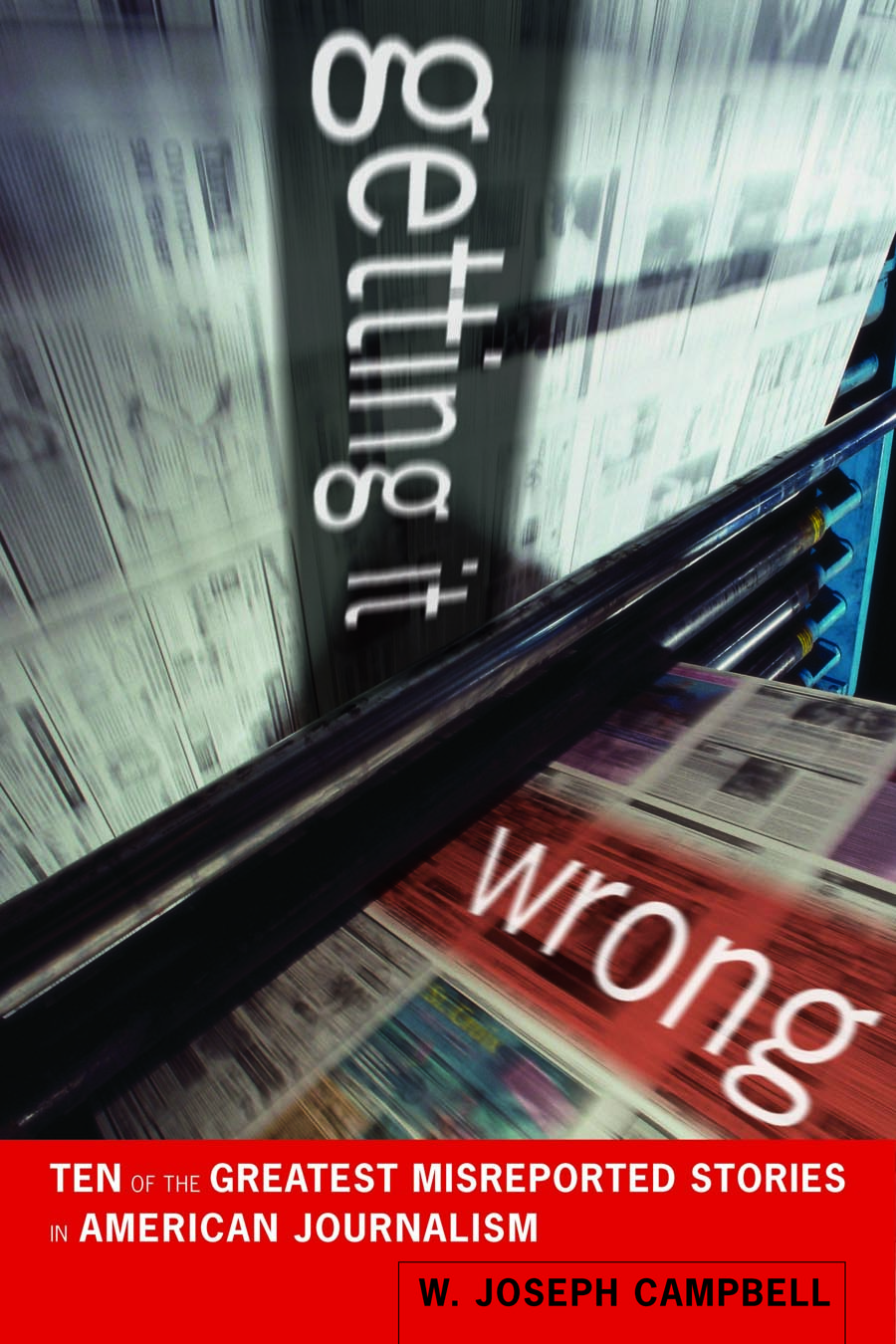
During the talk, I reviewed three of the 10 media myths debunked in my latest book, Getting It Wrong: the heroic-journalist myth that has become the most popular narrative of the Watergate scandal; the mythical “Cronkite Moment” of 1968 that supposedly forced President Lyndon Johnson to realize the futility of the war effort in Vietnam, and The War of the Worlds radio dramatization in 1938 that purportedly pitched tens of thousands of Americans into panic and mass hysteria.
I also offered a few suggestions about identifying and sidestepping media myths, suggestions that included being skeptical about turns of phrase that just sound too neat and tidy–almost too good to be true. Another bit of advice was to apply logic and healthy skepticism to extravagant claims about the news media and their presumed influence.
Questions and comments from the audience of 170 or so people were especially thoughtful.
One comment was about the notion the famous New York City blackout in November 1965 was followed nine months later by an uptick in births–a linkage suggested in reports by the New York Times in August 1966. The Times quoted a sociologist as saying then:
“The lights went out and people were left to interact with each other.”
Though not addressed in Getting It Wrong, it is an intriguing topic, one that could be considered in a sequel about media myths, I said.
I added that the blackout tale sounded a lot like more recent speculation that the major snowstorms along the East Coast in December 2009 and February 2010 would give rise to an increase in live births nine months later. A blizzard baby boom, as it were.
That correlation may be mythical, though.
Still, the notion there is such a linkage isn’t entirely far-fetched. It rests on the cusp of plausibility–as do many media myths addressed in Getting It Wrong, I said.
I also noted during the Q-and-A session that media myths that have appeal across the political spectrum can be especially tenacious and enduring. They are tales, I said, that offer something for everyone.
The “crack baby” scare of the late 1980s and 1990s is an example of a media-driven narrative that offered something for everyone.
As I write in Getting It Wrong:
“The crack baby was a rare social issue that had appeal across the political spectrum—appeal that made the phenomenon especially powerful, compelling, notable, and tenacious. For conservatives, the specter of crack babies underscored the importance of imposing stiff penalties in the country’s war on drugs. And penalties were stiffened for crack possession during the second half of the 1980s. For liberals, meanwhile, crack babies represented an opportunity to press for costly assistance programs aimed at helping crack users and their children.”
“Crack babies” were children born to women who had taken cocaine during pregnancy, and many news reports and commentaries predicted an epidemic of crack-damaged misfits.
Among the more overheated predictions was that of conservative columnist Charles Krauthammer, who wrote in 1989:
“The inner-city crack epidemic is now giving birth to the newest horror: a bio-underclass, a generation of physically damaged cocaine babies whose biological inferiority is stamped at birth.”
Krauthammer likened the crack-induced “bio-underclass” to a “biologically determined underclass of the underclass.”
But it never happened.
The crack baby phenomenon turned out to be the epidemic that wasn’t, the product of over-the-top, anecdote-driven news reporting.
Recent and related:







 Media Myth Alert