Vernon Loeb, one of the Washington Post reporters who in 2003 wrote the botched story about Jessica Lynch’s purported battlefield heroics in Iraq, is returning to the newspaper as its local editor.

Washington Post, April 3, 2003
The electrifying but erroneous story about Lynch, then a 19-year-old Army private, turned her into the single most recognizable soldier of the Iraq War.
In a front-page report published April 3, 2003, the Post anonymously cited “U.S. officials” in saying that Lynch “fought fiercely” in the ambush of her unit in southern Iraq, that she had “shot several enemy soldiers,” and that she had fired her weapon “until she ran out of ammunition.”
But the hero-warrior narrative–published beneath the bylines of Loeb and Susan Schmidt–was untrue.
Lynch did not fire her weapon in the ambush. Nor was she shot and stabbed, as the Post reported.
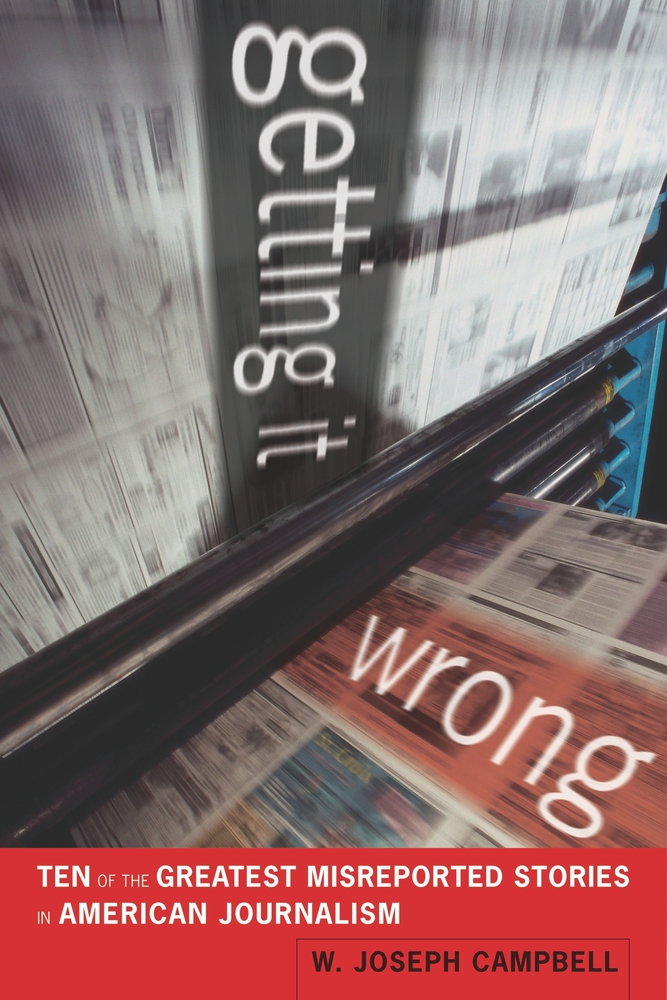
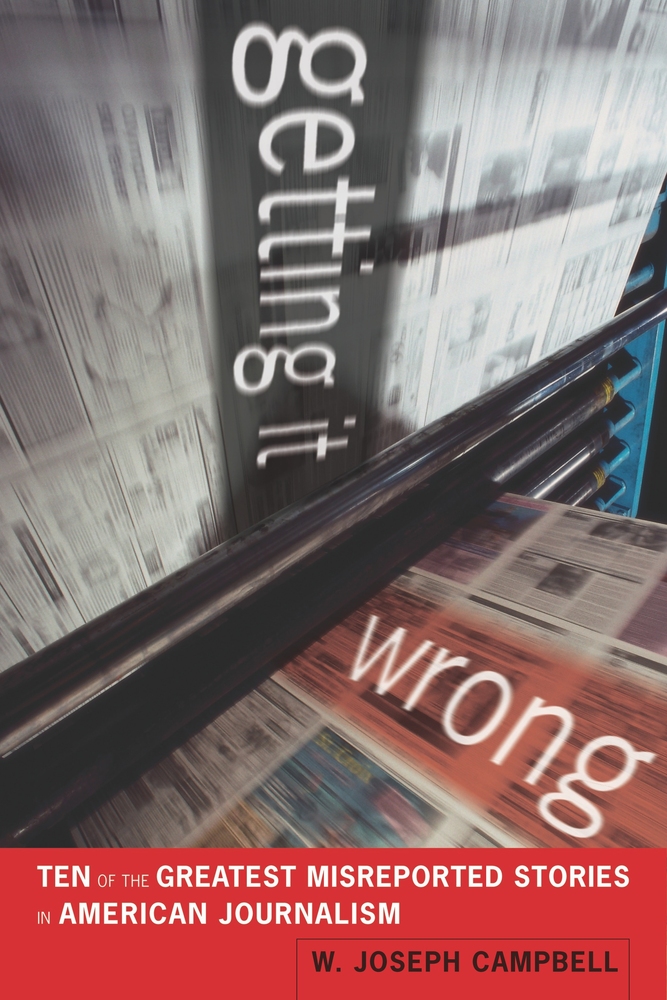
I examine the Lynch case in my latest book, Getting It Wrong, noting how the Post account of her supposed derring-do “became a classic illustration of intermedia agenda-setting: News organizations around the world followed the Post’s lead by prominently reporting the supposed heroics of young Jessica Lynch and contemplating their significance.”
Not surprisingly, the Post in announcing yesterday that Loeb was returning neither mentioned nor hinted at his role in reporting the Lynch story. The Post memo did describe Loeb as “a tremendously talented, high-energy journalist, whose enthusiasm for what we do is infectious.
“In his new job, he will drive our coverage of the region, ensuring we are serving our readers, both print and digital, the smartest, freshest and most authoritative news and features on the issues that matter most to them. It’s a good match: this is a highly competitive market, and Vernon is an intensely competitive editor.”
The memo also said Loeb has run marathons and is an ardent fan of the Philadelphia Phillies baseball team. (The DCist blog noted that Loeb’s Twitter account has been silent for several months.)
Loeb returns to the Post on February 1, following a stint as deputy managing editor for news at the Philadelphia Inquirer. He had left the Post in 2004 to become an investigations editor at the Los Angeles Times.
I once tried to speak with Loeb about the Lynch case. I called him at the Inquirer in 2008, while I was researching Getting It Wrong; he abruptly hung up on me.
I wanted to ask Loeb about the sources behind the Lynch story. I also wanted to ask him about the interview he gave to the NPR Fresh Air show in late 2003, during which he said the Pentagon was not the source for the Post story.
In the years since, the dominant narrative has become that the Pentagon concocted the story about Lynch’s heroics and fed it to the Post in order to boost American support for the war.
But in the interview on Fresh Air, Loeb said he “could never get anybody from the Pentagon to talk about” the Lynch case.
“They wouldn’t say anything about Jessica Lynch,” Loeb said on the show.
“I just didn’t see the Pentagon trying to create a hero where there was none,” he added. “I mean …they never showed any interest in doing that, to me.”
Moreover, he declared:
“Our sources for that story were not Pentagon sources.”
Loeb described them as “some really good intelligence sources” in Washington, D.C.
And he added:
“We wrote a story that turned out to be wrong because intelligence information we were given was wrong. That happens quite often.”
And yet, the false narrative about the Pentagon’s having made up the story about Lynch’s heroics endures, and has become dominant. It fits well with a curdled popular view about the war in Iraq.
I’ve called before at Media Myth Alert for the Post to knock down the false narrative about the Lynch case and disclose the identify of its sources on that story.
If they weren’t “Pentagon sources,” then who were the “U.S. officials” who supplied the erroneous account about Lynch? Why should they be continue to be protected with anonymity, given that they clearly provided inaccurate information?
Loeb should say, especially since his new job at the Post will include “ensuring [that] we are serving our readers” in an “authoritative” way.
Recent and related:
- WaPo’s belated and puzzling Lynch correction
- Jessica Lynch returns to spotlight in unedifying ‘Bio’ interview
- Recalling the overlooked heroism of Sgt. Walters
- Anniversary journalism and media-driven myths in 2011
- Sniffing out media myths
- The Post ‘took down a president’? That’s a myth
- Some snarky history from WaPo
- Getting it right about yellow journalism
- On the high plateau of media distrust
- ‘Good narrative trumps good history’
- ‘Persuasive and entertaining’: WSJ reviews ‘Getting It Wrong’






 Media Myth Alert