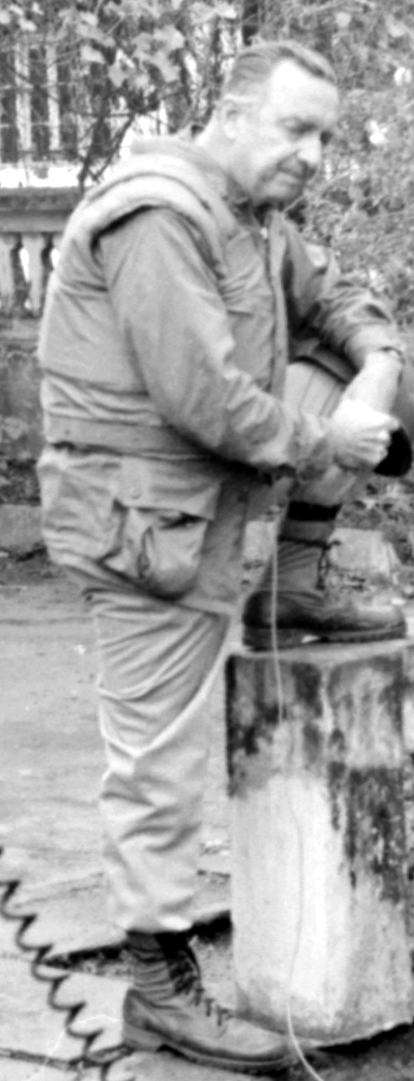
Cronkite in Vietnam, 1968
The presumptive “Cronkite Moment” is one of American journalism’s most memorable occasions. It was a time, supposedly, when a leading media figure offered analysis so penetrating and revealing that it altered U.S. foreign policy.
That notion was reiterated the other day in a commentary posted at the Big Journalism online site. The commentary alluded to the broadcast in February 1968 in which CBS News anchorman Walter Cronkite declared that the U.S. war effort in Vietnam was “mired in stalemate.” President Lyndon Johnson supposedly saw the Cronkite report and, upon hearing the anchorman’s assessment, realized his war policy was a shambles.
“If I’ve lost Cronkite,” Johnson purportedly declared, “I’ve lost Middle America.”
Another version has the president saying: “If I’ve lost Cronkite, I’ve lost the war.”
In a clear reference to the mythical “Cronkite Moment,” the Big Journalism commentary stated:
“LBJ was afraid of the activist old media when he changed his Vietnam policy based on what Walter Cronkite thought. Nothing could be more sad and pathetic than that and America paid a dear price for Johnson’s fear of the media.”
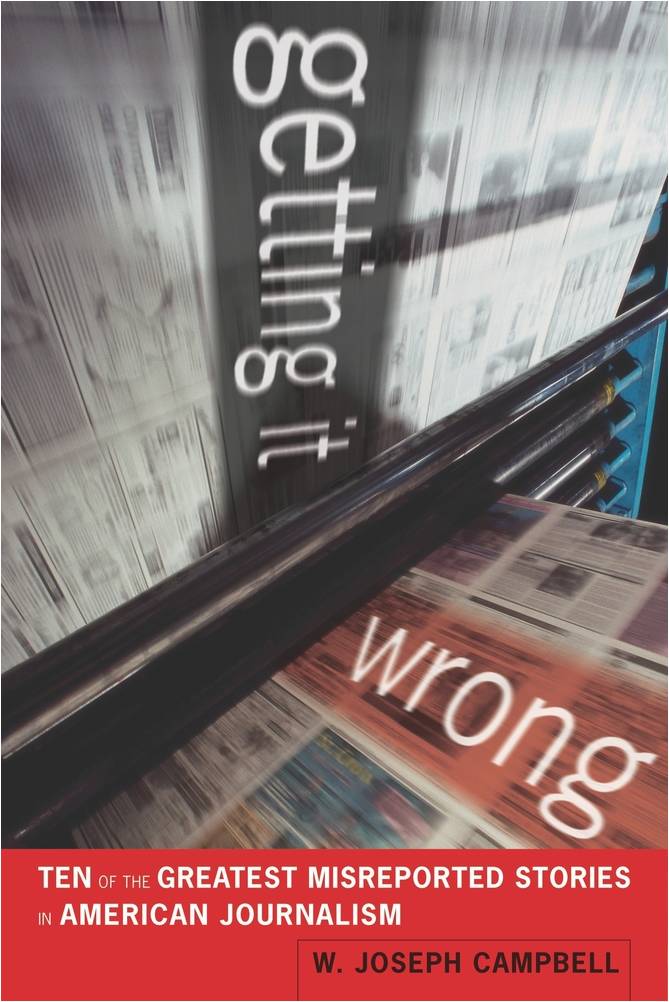
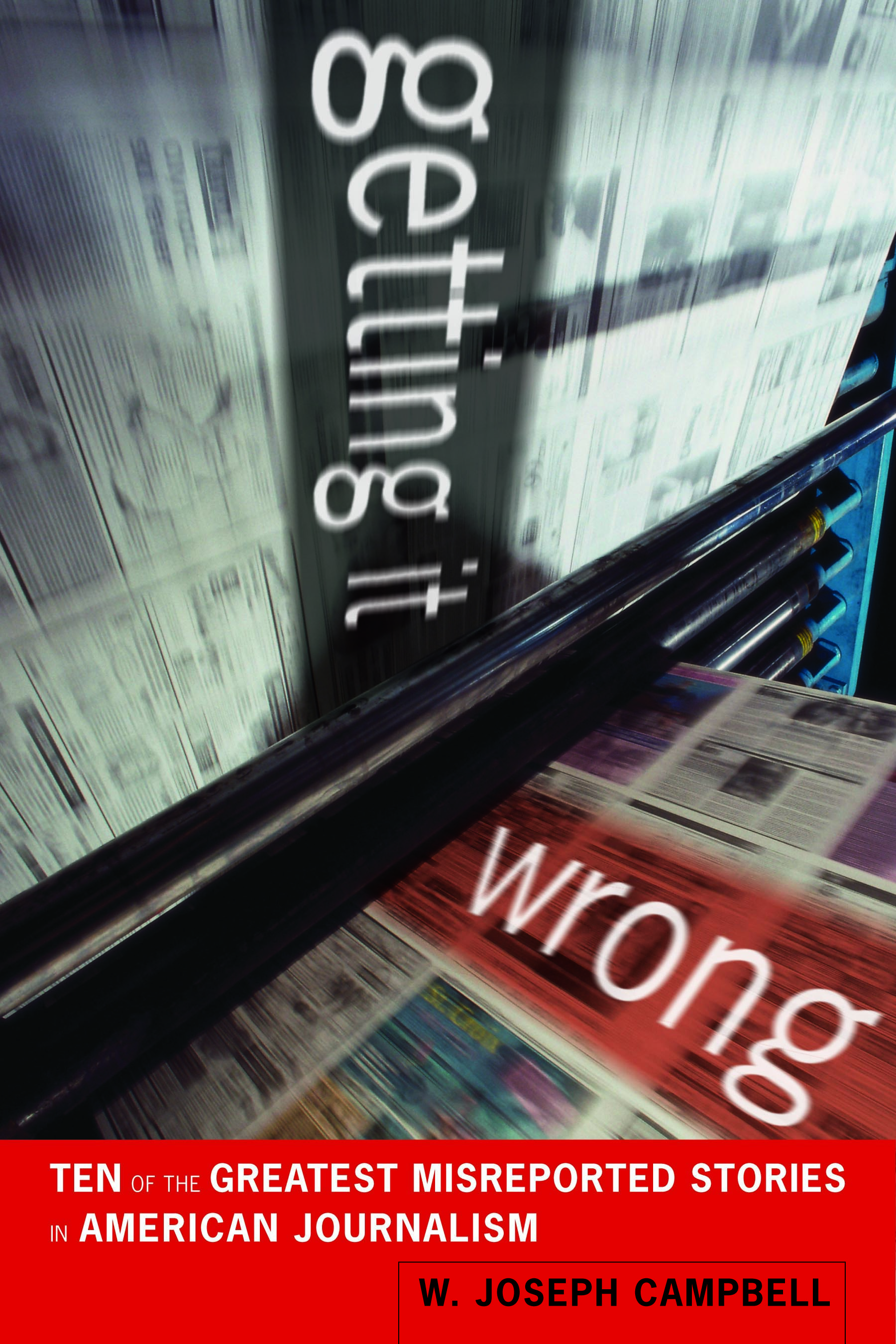
As I discuss in my latest book, Getting It Wrong, the Cronkite program on Vietnam quite simply did not have the powerful effects so often attributed to it. The “Cronkite Moment” is one hardy media-driven myth.
I further note in Getting It Wrong:
“Scrutiny of the evidence associated with the program reveals that Johnson did not have—could not have had—the abrupt yet resigned reaction that so often has been attributed to him. That’s because Johnson did not see the program when it was aired.”
The president was not in front of a television set when Cronkite’s report on Vietnam aired on the evening of February 27, 1968. He was not at the White House. He was in Austin, Texas, attending the 51st birthday party of a longtime political ally, Governor John Connally.
And about the time Cronkite was intoning his “mired in stalemate” assessment, Johnson wasn’t throwing up his hands in despair over his war policy. He was offering light-hearted banter about Connally’s age, saying:
“Today you are 51, John. That is the magic number that every man of politics prays for—a simple majority. Throughout the years we have worked long and hard—and I might say late—trying to maintain it, too.”
There is no evidence that Johnson ever watched a recording of the Cronkite show. Johnson’s memoir, The Vantage Point, is silent about the program, offering no clue as to whether he ever saw it or, if he did, what he thought of it.
In any case, the power of the reputed “Cronkite Moment” lies “in the sudden, unexpected, and decisive effect it supposedly had on the president,” I note in Getting It Wrong. “Such an effect would have been absent, or greatly diminished, had Johnson had seen the program on videotape at some later date.”
I also write:
“Even if he had seen Cronkite’s program on videotape, Johnson gave no indication of having taken the anchorman’s message to heart.
“Just three days after the program aired, Johnson vowed in remarks at a testimonial dinner in Texas that the United States would ‘not cut and run’ from Vietnam. ‘We’re not going to be Quislings,’ the president said, invoking the surname of a Norwegian politician who helped the Nazis take over his country. ‘And we’re not going to be appeasers.'”
In the immediate aftermath of the Cronkite program, Johnson remained hawkish on the war in Vietnam. He was not moved by a TV show he had not seen.
Recent and related:
- ‘Lyndon Johnson went berserk?’ Not because of Cronkite
- On Cronkite, Jon Stewart and ‘the most trusted’ man
- Embedded myths of journalism history
- Cronkite, secret antiwar collaborator? Seems a stretch
- Hearst ‘pushed us into war’? How’d he do that?
- 1897 flashback: Committing ‘jailbreaking journalism’
- Media myths, the ‘junk food’ of journalism
- ‘War of the Worlds’ panic was overstated








 Media Myth Alert