Media-driven myths, those improbable tales about the news media that masquerade as factual, endure for a number of reasons–not the least of which is their value in scoring points about contemporary American journalism.
Evidence of that impulse appears today in a commentary posted at the Moderate Voice blog. The commentary assails conservative publisher Andrew Breitbart as a latter-day practitioner of “yellow journalism” and invokes what are media myths in making that claim.
“At the turn of the 19th century,” the commentary says, “Joseph Pulitzer and William Randolph Hearst ‘created a frenzy’ among the U.S. citizenry that pushed us into the Spanish-American War. Historians accuse Hearst of trying to boost his circulation by advocating war.”
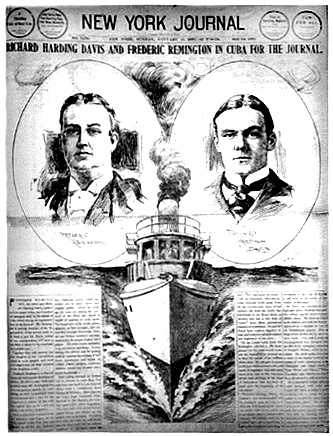
In support of that dubious claim–most historians scoff at the notion that Pulitzer and Hearst “pushed us into” war with Spain–the Moderate Voice commentary offers the hoary tale of Hearst’s purported vow, supposedly contained in a telegram to the artist Frederic Remington, that stated:
“You furnish the pictures and I’ll furnish the war.”
Well, where to begin in unpacking the errors in such sweeping claims?
For starters, Hearst and Pulitzer were prominent in the 1880s and 1890s, not at “the turn of the 19th century.”
More significant, there is little evidence that the newspapers of Hearst and Pulitzer–the New York Journal and New York World, specifically–“created a frenzy” in the run-up to the Spanish-American War in 1898.
As I wrote in my 2001 book, Yellow Journalism: Puncturing the Myths, Defining the Legacies, Hearst and Pulitzer exerted no more than limited agenda-setting influence on the U.S. press in the run-up to the war.
As I noted in Yellow Journalism:
“A significant body of research indicates that newspapers in small-town and rural America scoffed at, condemned, and ignored the exaggerated and fanciful reports appearing in New York City’s yellow journals before and after the Maine’s destruction” in Havana harbor in mid-February 1898.
The mysterious destruction of the battleship U.S.S. Maine killed more than 260 Navy sailors and officers, and helped propel the war with Spain.
Moreover, I noted, “claims that the yellow press fomented the Spanish-American War contain almost no discussion about how, specifically, that influence was brought to bear” inside the administration of President William McKinley.
“There is,” I wrote in Yellow Journalism, “almost no evidence that the content of the yellow press, especially during the decisive weeks following the Maine’s destruction, shaped the thinking, influenced the policy formulation, or informed the conduct of key White House officials.”
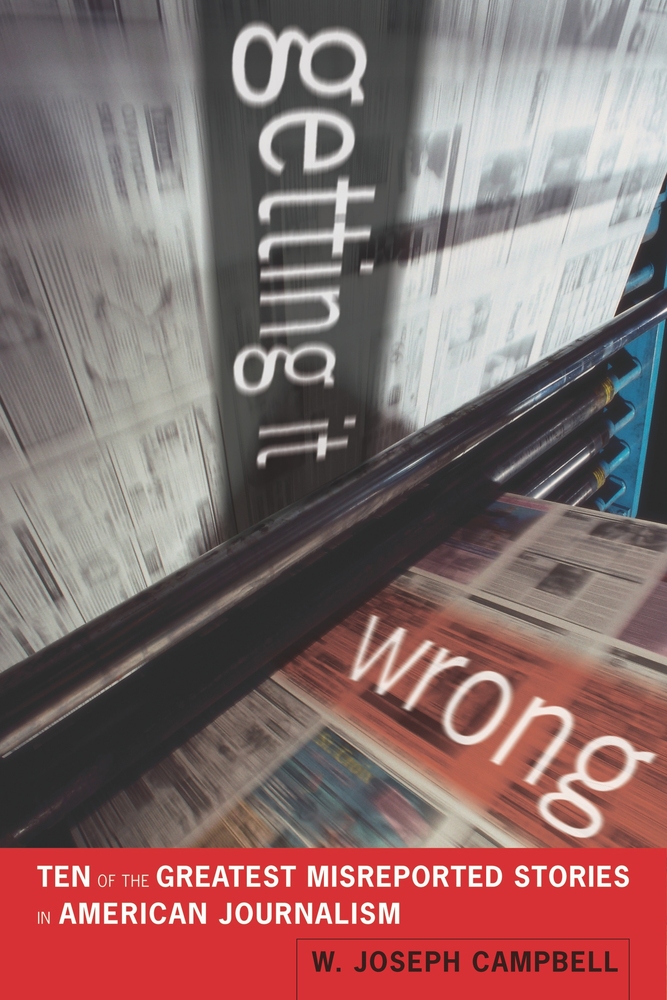
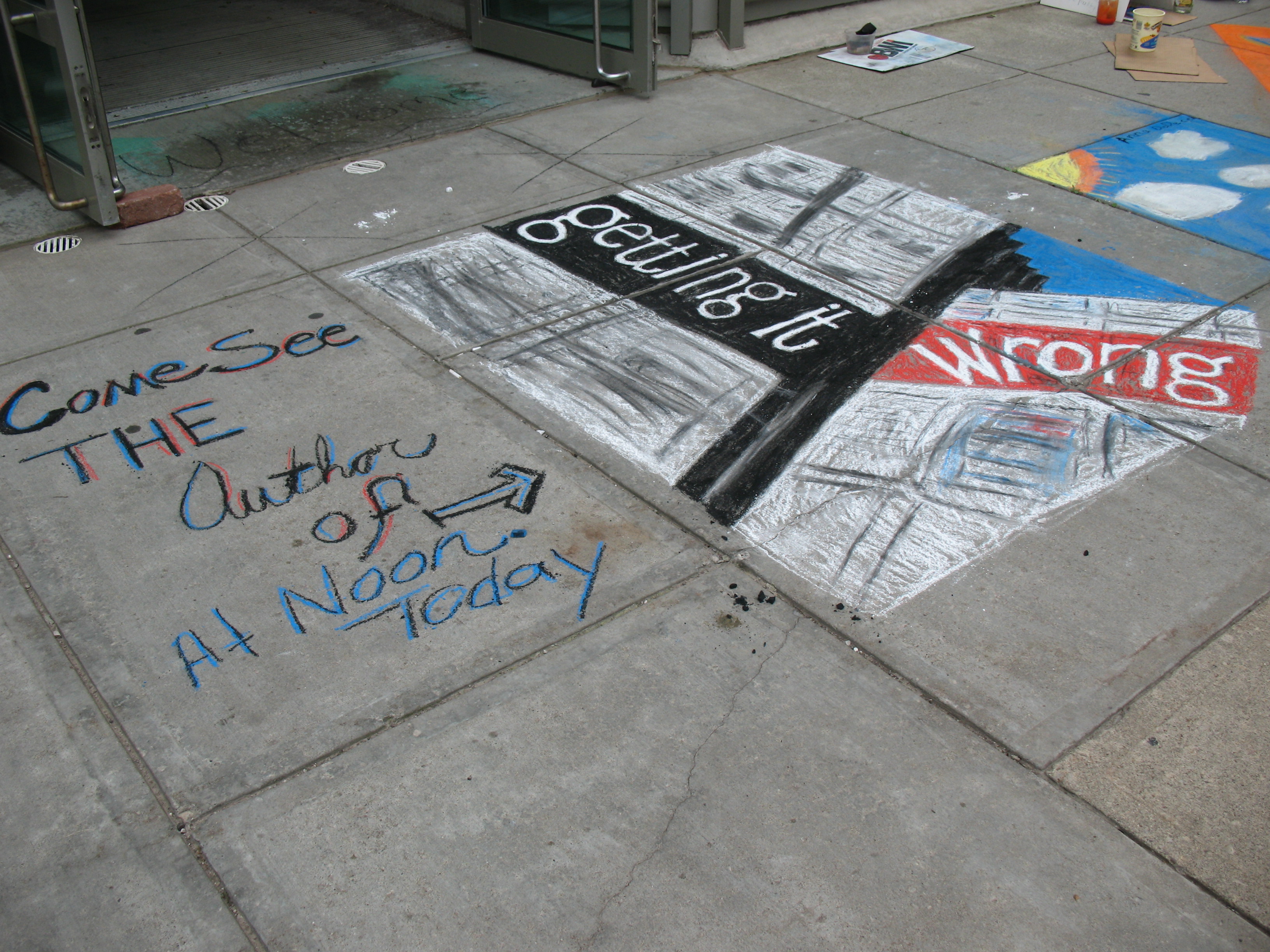
The pithy “furnish the war” vow is almost certainly apocryphal, as I discuss in Getting It Wrong, my new book debunking 10 media-driven myths.
I note in Getting It Wrong that the purported vow has gained “unique status as an adaptable, hardy, all-purpose anecdote, useful in illustrating any number of media sins and shortcomings.
“It has been invoked to illustrate the media’s willingness to compromise impartiality, promote political agendas, and indulge in sensationalism.” The Moderate Voice commentary accomplishes all three.
I further note in Getting It Wrong that the tale about Hearst’s vow lives on “despite a nearly complete absence of supporting documentation. It lives on even though the telegram that supposedly contained Hearst’s vow has never turned up. It lives on even though Hearst denied ever sending such a message.”
Additionally, the tale endures in the face of what I call “an irreconcilable internal inconsistency.” It would have been illogical and absurd for Hearst to vow to “furnish the war” because war—specifically, the islandwide Cuban rebellion against Spain’s colonial rule—was the very reason Hearst sent Remington to Cuba in the first place.
Remington was in Cuba in early 1897, at a time when anyone reading U.S. newspapers would have been well aware that Cuba was a theater of a nasty war. By then, Spain had sent nearly 200,000 soldiers in a failed attempt to put down the rebellion, which gave rise in April 1898 to the Spanish-American War.
Related:










 Media Myth Alert